Servicio completo de estudio de microplásticos
Nos encargamos de todos los pasos de un estudio de microplásticos, desde la planificación hasta el informe final.
También podemos diseñar y proponer un estudio según su propósito y presupuesto.

Este servicio forma parte de los servicios de estudio de Consultoría.
Albatross es un servicio de estudio para conocer cómo se escapan los microplásticos
y cómo evitarlo.
Estudiamos ríos, puertos, plantas de tratamiento de aguas residuales y muchos otros lugares para conocer la situación.
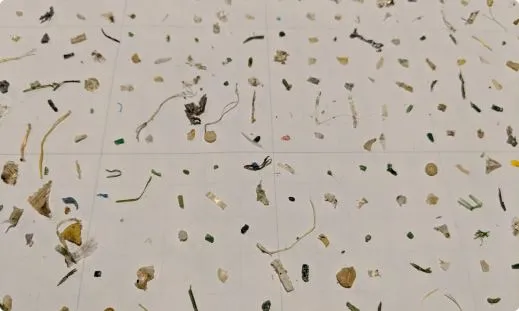
Los microplásticos son trozos de plástico de 5 mm o menos. Provienen de objetos de plástico que usamos a diario y que se rompen en fragmentos pequeños por los rayos ultravioleta y otras causas.
Por ser tan pequeños, los microplásticos entran fácilmente en los seres vivos, incluidos los humanos. El plástico en sí no es tóxico, pero puede absorber sustancias químicas dañinas para el cuerpo humano, y preocupan efectos como el cáncer por su ingestión (*1).
(*1) Según el informe «Foresight: Future of the Sea» de la Government Office for Science del Reino Unido
Nos encargamos de todos los pasos de un estudio de microplásticos, desde la planificación hasta el informe final.
También podemos diseñar y proponer un estudio según su propósito y presupuesto.
También podemos encargarnos de un solo paso, como solo el muestreo o solo el análisis.
El análisis requiere equipos especiales, como el FT-IR, y conocimientos técnicos, por eso muchos clientes nos lo encargan.
También alquilamos equipos de estudio y vendemos software de análisis.
Por ejemplo: redes de plancton (malla de 0,1 mm y 0,3 mm), flujómetros, un equipo de muestreo motorizado (Albatross No. 7), software de gestión de muestras, un sistema para estimar los productos que se fugan, y mucho más
Ofrecemos manuales de estudio y orientación, a distancia o en persona.
Queremos ayudar a los vecinos y a las empresas de cada zona a resolver sus propios problemas locales.
Para más detalles o una cotización, contáctenos aquí abajo.
Como especialistas en la basura que se escapa a la naturaleza, Pirika ha desarrollado muchas tecnologías para estudios de microplásticos.
Nuestras tecnologías han sido usadas por organizaciones como el Programa de las Naciones Unidas para el Medio Ambiente.
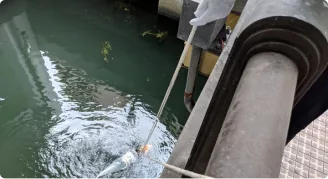
Antes, los estudios estaban limitados por el costo (alquilar un barco es caro) y por el lugar (es difícil estudiar sitios estrechos o ríos de corriente lenta). Desarrollamos un equipo fácil de usar que funciona en casi cualquier lugar (patente solicitada).
Referencia: Artículo científico revisado por pares sobre el método (en inglés)
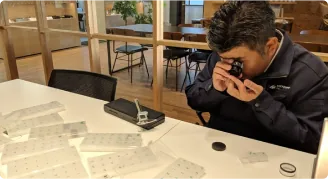
Para detener la fuga, hay que identificar qué productos se fugan y por qué vías. Esta tecnología, desarrollada con el Instituto de Tecnología de Tokio y Miyoshi Corporation, analiza qué productos de plástico se fugan y por qué vías (patente solicitada).
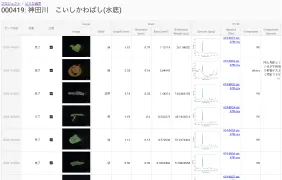
Creamos este sistema mientras realizábamos estudios de microplásticos en más de 400 sitios de Japón y otros países, y analizábamos y gestionábamos más de 3000 muestras. También lo ofrecemos a otras organizaciones y podemos adaptarlo a cada laboratorio o proyecto.
Timing, frequency, places, methods, required accuracy and reporting items all depend on the purpose, so it is important to make the purpose clear first.
Common examples:
Microplastics can be collected from water (especially near the surface), from the bottom (mud) or from beaches (sand). If you choose only one, we recommend sampling from the water.
*If you also want to collect heavy plastics that sink, we add sampling from the bottom. We adjust the method to your purpose.
For sampling from the water, we pass water through a net with 0.1 mm or 0.3 mm mesh and collect what remains in the net.
To get enough water through the net, we choose from towing by boat, natural flow or motorized flow. (Pirika can do all of these.)
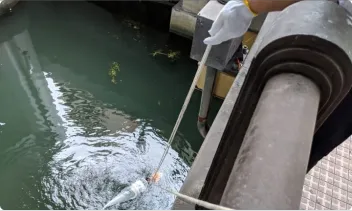
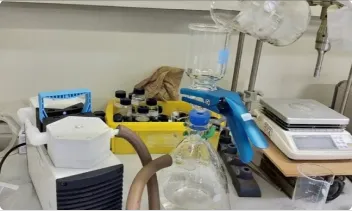
This step removes solids that are clearly not plastic from the sample and cleans the surface, to make the analysis more accurate.
Options are chemical treatment or visual sorting. For quality, we recommend treatment with hydrogen peroxide solution.
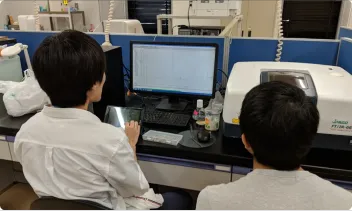
Using analyzers such as FT-IR, we read the composition, size, shape and color of the microplastics.
Many microplastics surveys stop at finding the composition and amount. Pirika goes further, estimating the original products and narrowing down the leakage routes, to give analysis that helps solve the root of the problem.
We deliver reports (Word or PowerPoint). We can also publish the results as open data and share them with local residents.
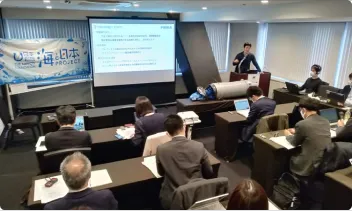
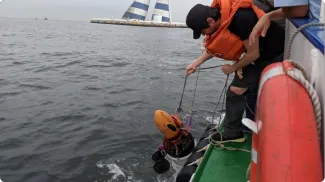
Done at the request of Oda as part of her council work. We surveyed floating microplastics at 14 river and port sites in Kawasaki City, Kanagawa Prefecture.
Referencia: JBpress: Where does the plastic waste floating in Tokyo Bay come from? (in Japanese)
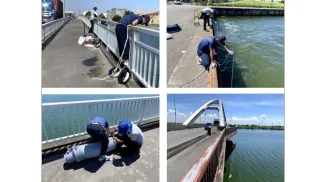
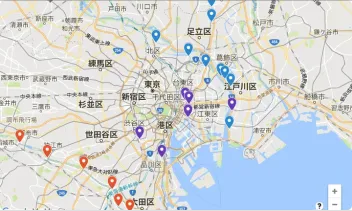
We surveyed rivers, ports and lakes in 12 prefectures in Japan. Microplastics were found at 98 of 100 sites, showing that leakage is nationwide. The results were reported by more than 20 media outlets.
Referencia: Floating microplastics database
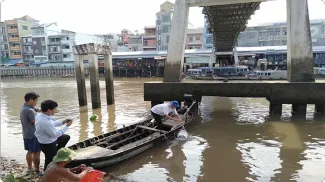
We surveyed five cities in four countries in the Mekong River basin. We found areas of serious concern for plastic leakage downstream, with floating amounts rising sharply toward the river mouth.
Referencia: UNEP CounterMEASURE (in Japanese)
Para más detalles sobre cada proyecto o sobre otros proyectos, contáctenos aquí abajo.
Buscamos socios que usen la tecnología de Pirika para proponer y realizar estudios de microplásticos en sus regiones.
Únase a nosotros para resolver el problema de la fuga de microplásticos.

Pirika ofrece servicios ambientales, desde la recogida de basura y los estudios hasta el reciclaje.

Plataforma para recoger basura
Usada en 137 países y regiones, con más de 470 millones de piezas de basura recogidas. Pirika hace visibles las actividades de limpieza de personas, gobiernos locales y empresas, y facilita que más gente participe.

Estudio de distribución de basura
Analizamos videos de las calles para estudiar el arrojo de basura en la vía pública y el vertido ilegal de residuos. Medimos el efecto de las medidas y proponemos mejoras para mantener limpias las ciudades.

Estudios, control de la contaminación, apoyo a negocios
Los consultores de Pirika ofrecen estudios ambientales, prevención y control de la contaminación, y apoyo a negocios ambientales, según las necesidades de cada cliente.
Convertir la basura dispersa y la basura marina en recursos
Desarrollamos tecnologías y negocios para reciclar plásticos y otros residuos que antes eran difíciles de reciclar.
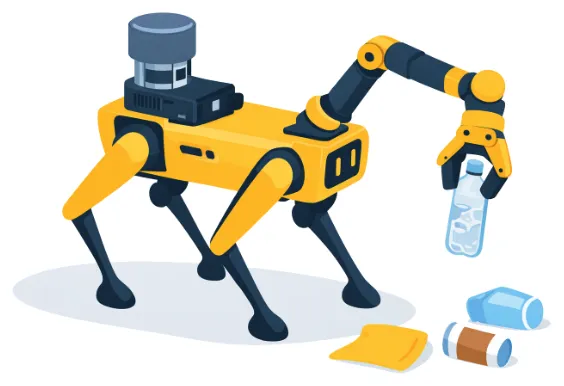
Automatizar la limpieza de playas
Los robots hacen más eficiente la recogida y el traslado de la basura que llega a la costa. También aceptamos solicitudes para exhibirlos en eventos ambientales.
Pirika, Inc. trabaja para resolver los problemas ambientales, empezando por la fuga de basura a la naturaleza. Su propósito es superar todos los problemas ambientales con el poder de la ciencia y la tecnología. Pirika opera la app Pirika para recoger basura (usada en 137 países y regiones, con más de 470 millones de piezas de basura recogidas), el estudio de distribución de basura Takanome y servicios de consultoría, reciclaje y robótica.