微塑料调查全程服务
从策划到最终报告,我们负责微塑料调查的所有环节。
也可以根据您的目的和预算设计并提出调查方案。

本服务是咨询服务中的调查项目之一。
Albatross 是一项调查服务,
用于查明微塑料如何流出以及如何阻止流出。
我们在河流、港口、污水处理厂等各种地点开展调查,掌握实际情况。
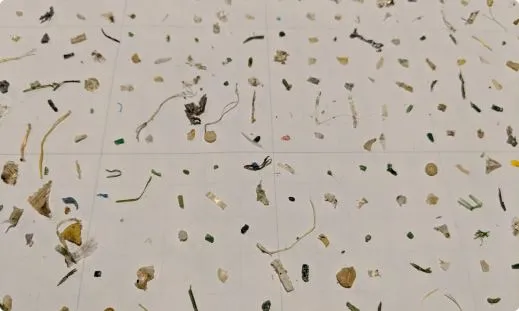
微塑料是指 5 毫米以下的塑料碎片。我们日常使用的塑料制品在紫外线等作用下碎裂成小块,就形成了微塑料。
由于非常小,微塑料很容易进入包括人类在内的生物体内。塑料本身没有毒性,但可能吸附对人体有害的化学物质,人们担心摄入后会引起癌症等影响(*1)。
(*1)出自英国政府科学办公室的报告“Foresight: Future of the Sea”
从策划到最终报告,我们负责微塑料调查的所有环节。
也可以根据您的目的和预算设计并提出调查方案。
也可以只承接其中一个环节,例如只做采样或只做分析。
分析需要 FT-IR 等专用设备和专业经验,因此很多客户委托我们进行。
我们也出租调查设备并销售分析软件。
可提供:浮游生物网(网目 0.1 毫米和 0.3 毫米)、流量计、电动采样装置(Albatross 7 号)、样品管理软件、流出物品推定系统等
我们提供调查手册,并通过远程或现场方式进行指导。
希望帮助当地居民和企业自己解决当地的问题。
如需了解详情或报价,请通过下方联系我们。
作为垃圾流入自然界问题的专家,Pirika 开发了多项微塑料调查技术。
我们的技术已被联合国环境规划署等机构采用。
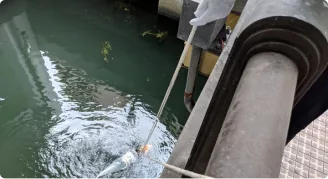
过去的调查受成本(租船费用高)和地点(狭窄处或流速慢的河流难以调查)的限制。我们开发了一种简单易用、几乎在任何地方都能使用的装置。(专利申请中)
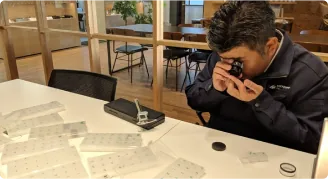
要阻止流出,必须查明哪些物品通过哪些途径流出。这项技术在东京工业大学和 Miyoshi 株式会社的协助下开发,可以分析哪些塑料制品通过哪些途径流出。(专利申请中)
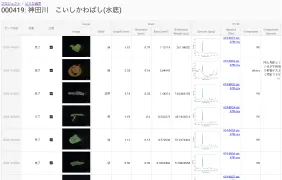
我们在日本国内外 400 多个地点开展微塑料调查、分析和管理 3,000 多份样品的过程中,建立了这套系统。我们也向外部提供该系统,并可按各研究机构或项目进行定制。
Timing, frequency, places, methods, required accuracy and reporting items all depend on the purpose, so it is important to make the purpose clear first.
Common examples:
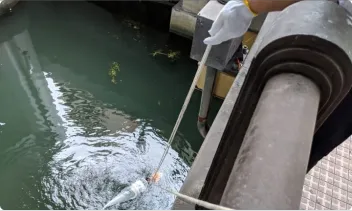
Microplastics can be collected from water (especially near the surface), from the bottom (mud) or from beaches (sand). If you choose only one, we recommend sampling from the water.
*If you also want to collect heavy plastics that sink, we add sampling from the bottom. We adjust the method to your purpose.
For sampling from the water, we pass water through a net with 0.1 mm or 0.3 mm mesh and collect what remains in the net.
To get enough water through the net, we choose from towing by boat, natural flow or motorized flow. (Pirika can do all of these.)
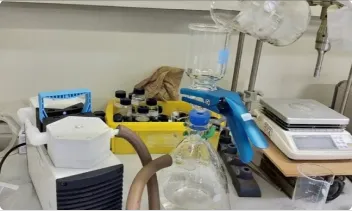
This step removes solids that are clearly not plastic from the sample and cleans the surface, to make the analysis more accurate.
Options are chemical treatment or visual sorting. For quality, we recommend treatment with hydrogen peroxide solution.
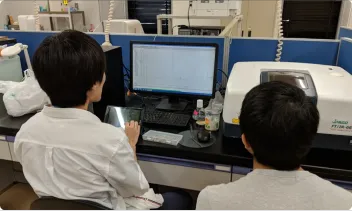
Using analyzers such as FT-IR, we read the composition, size, shape and color of the microplastics.
Many microplastics surveys stop at finding the composition and amount. Pirika goes further, estimating the original products and narrowing down the leakage routes, to give analysis that helps solve the root of the problem.
We deliver reports (Word or PowerPoint). We can also publish the results as open data and share them with local residents.
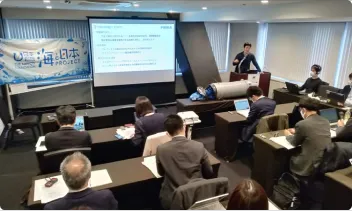
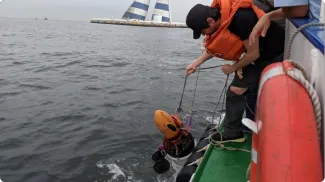
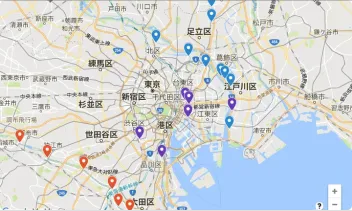
Done at the request of Oda as part of her council work. We surveyed floating microplastics at 14 river and port sites in Kawasaki City, Kanagawa Prefecture.
参考:JBpress: Where does the plastic waste floating in Tokyo Bay come from? (in Japanese)
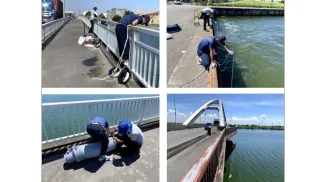
We surveyed rivers, ports and lakes in 12 prefectures in Japan. Microplastics were found at 98 of 100 sites, showing that leakage is nationwide. The results were reported by more than 20 media outlets.
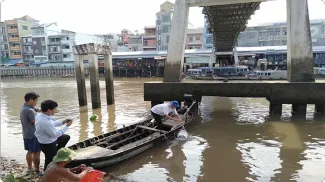
We surveyed five cities in four countries in the Mekong River basin. We found areas of serious concern for plastic leakage downstream, with floating amounts rising sharply toward the river mouth.
参考:UNEP CounterMEASURE (in Japanese)
如需了解各项目的详情或其他项目,请通过下方联系我们。
我们正在寻找使用 Pirika 技术、在各自地区提出并开展微塑料调查的合作伙伴。
欢迎与我们一起解决微塑料流出问题。

Pirika 提供从垃圾回收、调查到再生利用的多种环境服务。

捡垃圾平台
在 137 个国家和地区使用,累计捡拾垃圾超过 4.7亿件。Pirika 让个人、地方政府和企业的清扫活动可视化,并让更多人参与进来。

垃圾分布调查
通过分析街道视频,调查乱扔垃圾和非法倾倒废弃物的情况。我们评估对策的效果并提出改进建议,帮助保持城市清洁。

环境调查、污染防治、业务支持
Pirika 的顾问根据客户的需求,提供环境调查、污染防治和环境业务支持服务。
让散落垃圾和海洋垃圾变成资源
我们开发技术和业务,让过去难以再生利用的塑料等废弃物重新成为资源。
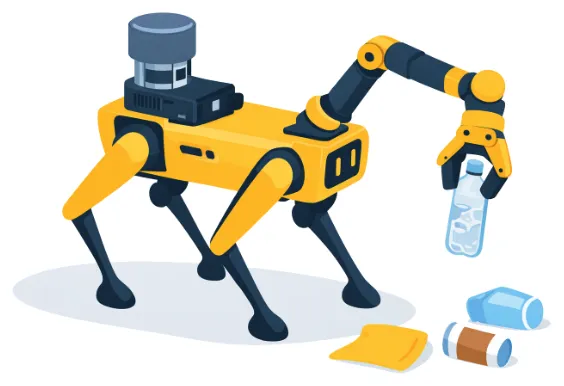
让海滩清扫自动化
我们用机器人提高冲上岸的海洋垃圾的回收和搬运效率,也接受在环境活动等场合展出的申请。
Pirika, Inc. 致力于解决以垃圾流入自然界为首的各类环境问题,宗旨是用科学技术的力量克服一切环境问题。公司运营捡垃圾社交应用 Pirika App(在 137 个国家和地区使用,累计捡拾垃圾超过 4.7亿件)和垃圾分布调查服务 Takanome,并提供咨询、再生利用和机器人服务。